The start of a new year offers the opportunity to evaluate our work and reassess priorities for the coming year. One of our top priorities at the Garden State Initiative over the past five years has been the analysis of New Jersey’s Energy Master Plan and the support of a reliable, affordable and sustainable energy portfolio. This year I urge our elected officials to commit to New Jersey’s energy future and deliver a new plan that fits these three criteria.
The first step toward achieving this goal is the delivery of the state’s overdue 2024 Energy Master Plan, or EMP. Given the rapidly changing landscape of energy policy in both Washington, D.C., and New Jersey, an energy blueprint is essential to contain costs and ensure the reliability of our power sources with consideration to our environment.In his State of the State address last month, Gov. Phil Murphy attempted to offer a hopeful vision for New Jersey, but his call to codify aspirational energy policy would result in escalating prices and unreliable energy. The governor’s administration has been opaque about the EMP’s true price tag, but with its projected cost of $40 billion, New Jersey residents could be paying for the experimental energy choices of this administration for generations. Without change, the outlook for affordable electricity is nebulous.
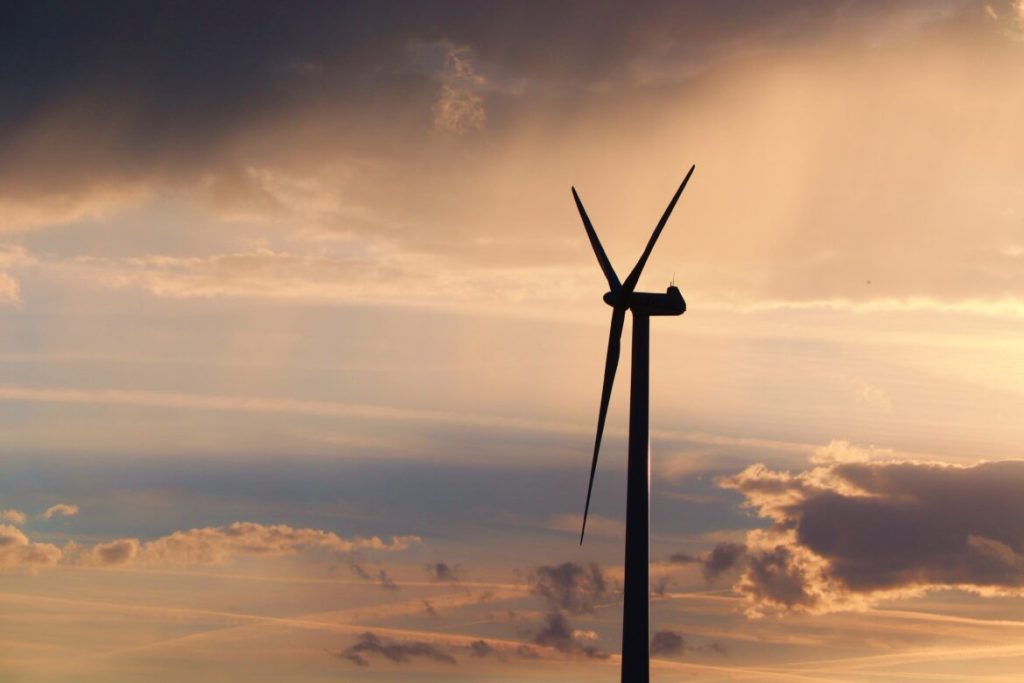
New Jersey’s EMP has failed primarily because it prioritized intermittent energy sources without reinforcing the infrastructure of reliable “always on” energy. The administration selected offshore wind as the energy golden child and ignored other clean energy solutions. If New Jersey had looked to the real-time case study of the prioritization of wind energy in Germany, we would have learned that wind subsidies will indeed produce wind energy — but it will triple the energy cost for consumers. Additionally, wind energy in Germany is not a standalone energy source. It relies on gas power as a backstop. In November, there was a 79% increase in gas-fired electricity production in Germany month-over-month as utilities scrambled to offset a second straight month of sharply below-normal output from wind farms.
Another aspect of the state’s EMP that we hope will be revised in the 2024 version is the proposed bans on widely used appliances like gas ovens, gas-powered cars and conventional furnaces. Such bans would trigger higher prices for essential home heating, electricity and transportation. Currently, about 75% of New Jersey’s electricity comes from natural gas, and roughly the same number of households rely on natural gas for home heating. Dictating the type of appliances and vehicles that New Jersey residents use for home heating and transportation is unfair and unrealistic. Most New Jersey families cannot afford the economic luxury of switching out their appliances and buying new cars based on aspirational policy.
Since 2023, both Connecticut Gov. Ned Lamont and Virginia Gov. Glen Youngkin considered the economic impact on families along with the lack of infrastructure and reversed their states’ electric vehicle mandates. It would behoove New Jersey to follow suit.
Consider the following: Gasoline remains the dominant fuel for New Jersey’s 6.5 million registered vehicles, EVs have higher upfront costs than traditional gas-powered engines, and New Jersey’s EV mandate will raise the cost of transportation for families and drive people across state lines to purchase conventional cars — thereby handing our neighbors more tax revenue at our expense.
As we look to the future, New Jersey can incorporate changes to our current energy vision and remain leaders in meeting climate and environmental goals without selectively picking favored technologies. We can and should let businesses compete to provide the most affordable, reliable and sustainable energy sources.
The current New Jersey Energy Master Plan ignores economic realities, threatens grid reliability and imposes unfair burdens on New Jersey families and businesses. Our legislators in Trenton have a responsibility to scrutinize the new master plan and advocate for policies that balance environmental goals with economic growth and affordability. The current outdated EMP, as it stands, fails to strike that balance.
Audrey Lane is president of the Garden State Initiative.