New report says clean energy goals must be balanced with firm power driven by nuclear and natural gas to protect affordability and reliability
MORRISTOWN, N.J. – As New Jersey ratepayers face another summer of rising utility bills, many are wondering when lasting relief – not temporary rebates – will arrive. A new report from the Garden State Initiative argues that the answer lies not in one-time bill credits, but in replacing New Jersey’s current Energy Master Plan with a more practical roadmap that protects affordability, reliability, and sustainability while ensuring dependable electricity remains available throughout the state’s energy transition.
With electric demand rising and the state importing over 20 percent of its power as recently as 2024, the report calls on New Jersey policymakers to develop a revised Energy Master Plan grounded in realistic timelines, proven technologies, and measurable benchmarks rather than mandates that ensure new electricity resources are in place before dependable generation, like nuclear and natural gas, is retired. The report finds that over two-thirds of the 2024 summer power capacity came from natural gas, and therefore any strategy to restrict it must be defined with how reliable, flexible grid capacity will be maintained.
Authored by policy analyst Anurag Bhat, the report argues that New Jersey’s energy policies should be guided by three equally important objectives: affordability, reliability, and sustainability. That doesn’t mean abandoning clean energy goals, but rather revising them from mandates to benchmarks, and putting reliability first. Specifically, preserving firm generation until replacement resources are accredited and deliverable during summer peaks, winter peaks, and multi-day stress events without compromising affordability or system reliability.
“New Jersey families and businesses need more than temporary relief from rising electricity bills,” said Audrey Lane, President of the Garden State Initiative. “They need an energy policy that addresses the underlying supply and reliability challenges driving costs higher. New Jersey can pursue cleaner electricity while protecting affordability and reliability. That starts by ensuring new power supplies of all kinds are built and ready before dependable resources are retired.”
The report finds that New Jersey already imports nearly one-fifth of the electricity it consumes, leaving the state increasingly dependent on the regional grid to meet demand. At the same time, electricity prices remain well above the national average while growing demand and tightening electricity supply continue to put upward pressure on costs. Together, those trends underscore the need for a more realistic long-term energy strategy.
Rather than organizing energy policy around individual technologies or fixed mandates, the report recommends a practical “Preserve, Build, Prepare” framework for a revised Energy Master Plan:
- Preserve existing reliable generation—including nuclear, natural gas, and access to PJM markets—to maintain affordability and reliability today.
- Build energy resources that are cost-effective, deliverable, and supported by the transmission infrastructure needed to bring them online.
- Prepare for the next generation of clean, firm energy technologies through technology-neutral evaluation based on affordability, reliability, sustainability, and overall system performance.
Among the report’s findings:
- New Jersey imports nearly 20% of the electricity it consumes, increasing dependence on neighboring states during periods of high demand.
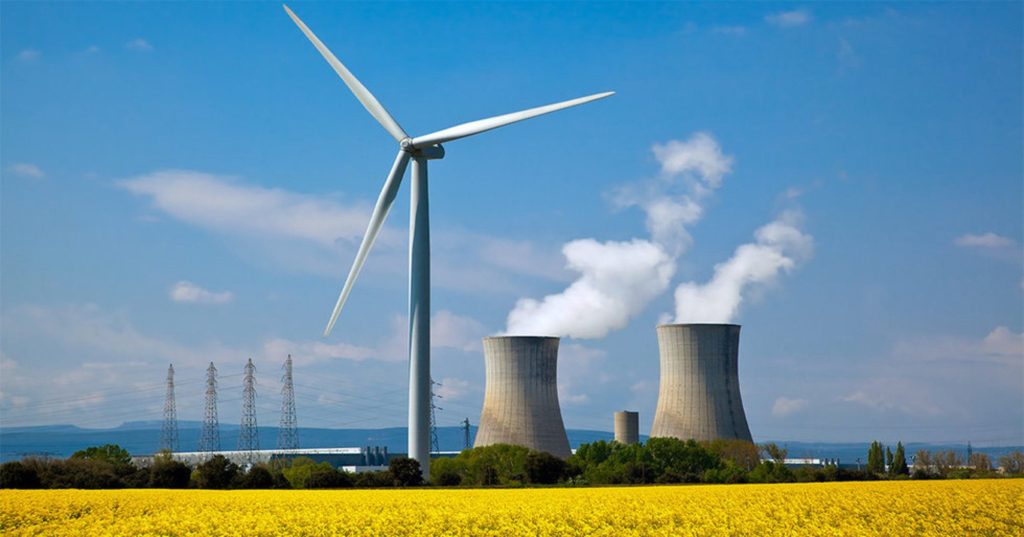
- Natural gas and nuclear power continue to provide the majority of New Jersey’s dependable electricity, making them essential to maintaining reliability as demand continues to grow.
- Battery storage targets set by the Murphy Administration are just 5% complete and well below the level needed to replace firm generation, underscoring the importance of maintaining dependable resources until replacement technologies are proven at scale.
- A revised Energy Master Plan should evaluate all energy resources using consistent, technology-neutral measures of affordability, reliability, sustainability, and overall system performance.
The report also examines energy planning in California, New York, New England, Pennsylvania, and Texas, concluding that while no state offers a perfect model, each provides valuable lessons for New Jersey. Successful energy policy is not defined by a single technology, but by careful planning that balances affordability, reliability, sustainability, and long-term system resilience.
“Every state offers lessons – both successes and setbacks,” Lane added. “Our report applies those lessons to New Jersey and concludes that the state needs a new, realistic Energy Master Plan. Cleaner energy, affordability, and reliability are not competing goals, but achieving all three requires better planning and a commitment to building new resources before retiring dependable ones.”
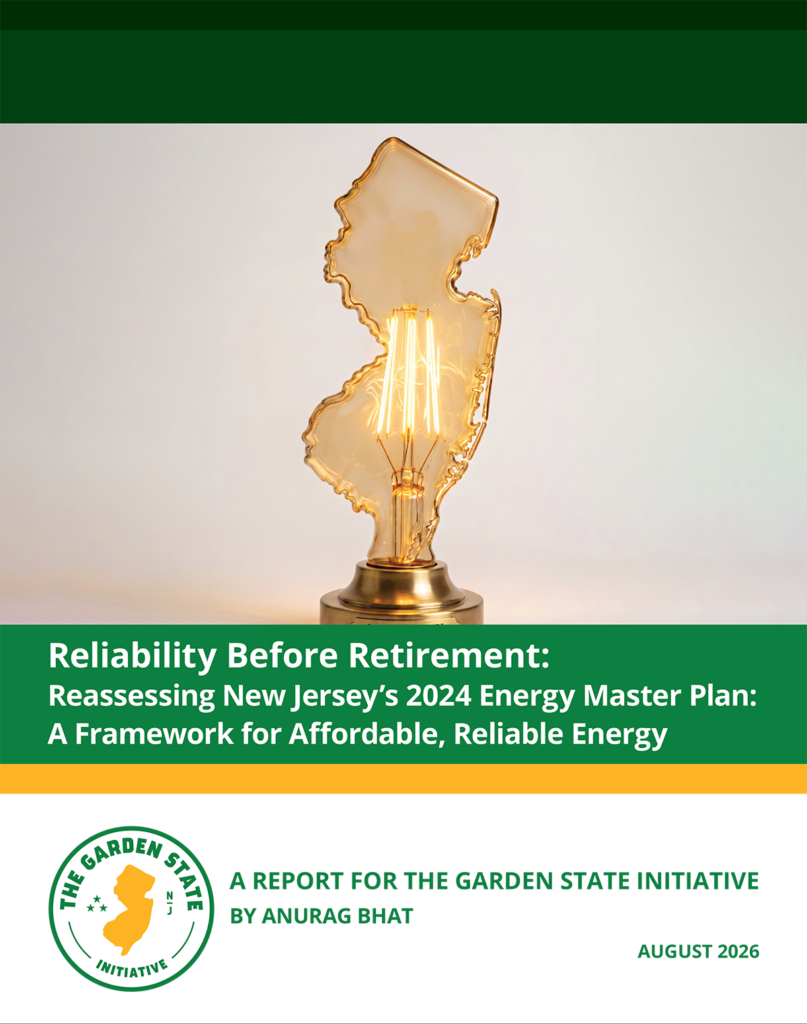
The full report, Reliability Before Retirement: Reassessing New Jersey’s 2024 Energy Master Plan: A Framework for Affordable, Reliable Energy, is available at www.gardenstateinitiative.org.
About the Garden State Initiative
The Garden State Initiative is an independent, nonpartisan 501(c)(3) research and educational organization dedicated to promoting a more prosperous New Jersey through common-sense public policy solutions that improve affordability, encourage economic growth, and expand opportunity for all New Jerseyans.